

 April 7, 2026
 How to Support a Friend Experiencing Dating Violence
When our team at St. Jude House launched our Healthy Love Campaign in February 2026, it was rooted in a simple truth: healthy relationships are built on respect, consent, accountability and safety—without exception.
Recent national conversations surrounding sexual abuse allegations against the late civil rights leader César Chávez have sparked difficult but necessary dialogue across communities, schools and institutions. While these conversations can be uncomfortable, they remind us why education about healthy relationships and how to support survivors matters more than ever.
When Harm is Linked to Power or Legacy
In March, multiple investigations revealed allegations that César Chávez sexually abused women and minors during his leadership of the United Farm Workers. Survivors came forward publicly, and national organizations began reassessing how his legacy is remembered.
In response, cities, schools and organizations across the country canceled or renamed events, holidays and institutions. These actions sent a powerful message: honoring survivor voices must come before protecting reputations or historical narratives.
This moment reflects a growing understanding that:
- Abuse can occur even within movements rooted in justice and social change
- Survivors may remain silent for decades due to fear, power imbalances or concern about harming a cause they believe in
- Communities have a responsibility to respond with care, accountability and support
Why This Matters: Supporting a Friend Experiencing Dating Violence
When we launched the Healthy Love Campaign, our goal was not only to prevent harm before it happens, but also to help people recognize what abuse looks like and understand what healthy love truly means.
Healthy love means:
- Consent is non-negotiable
- Power is never a justification for harm
- Survivors are believed and supported
- Accountability matters, even when it’s uncomfortable
Abuse often thrives in environments where power goes unquestioned and where speaking up doesn’t feel emotionally or psychologically safe.
Supporting Survivors Starts With Everyday Actions
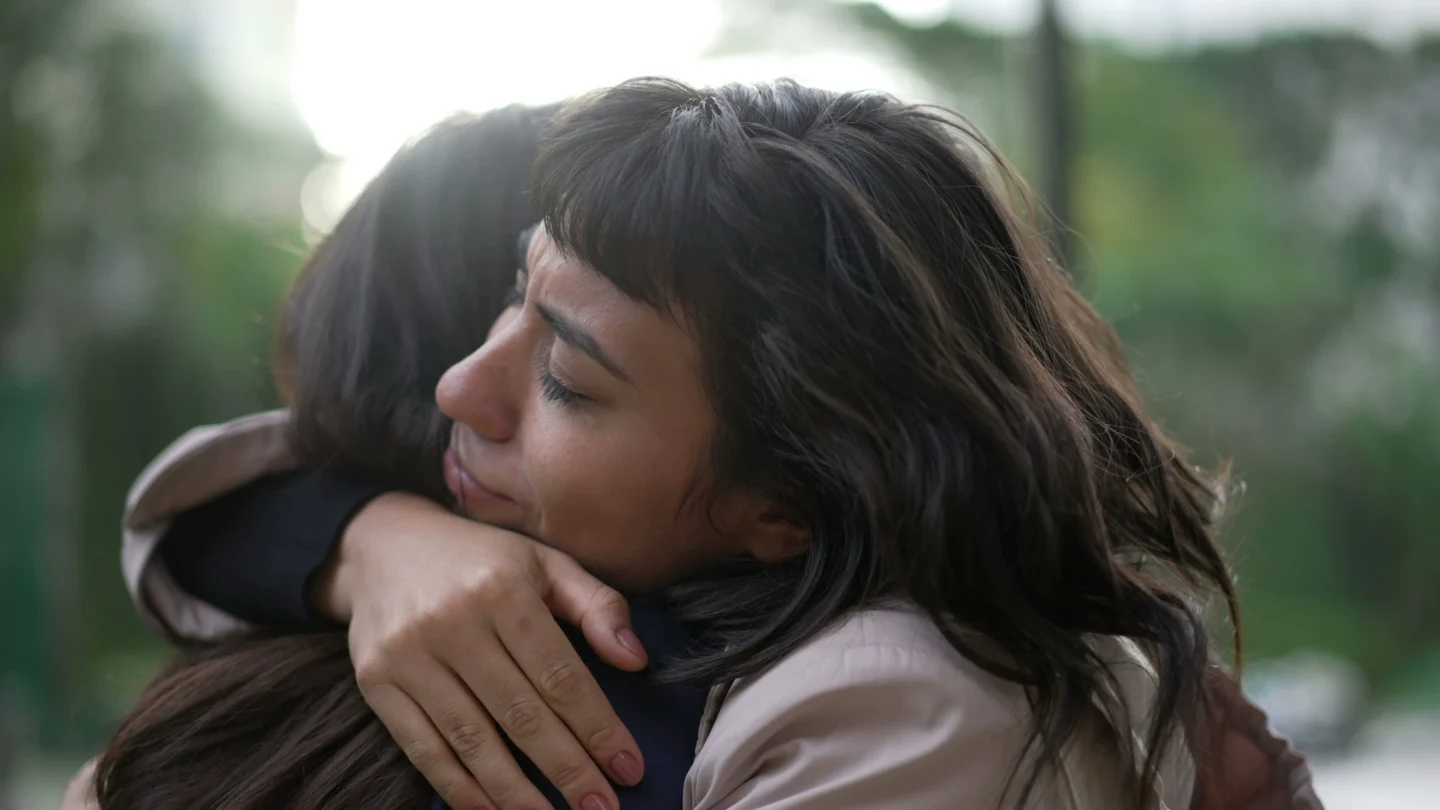
Friends, peers and community members are often the first people survivors turn to. How we respond, especially in moments like this, can either reinforce silence or open pathways to safety.
This reality was echoed in a March 18 PBS NewsHour interview with historian Miriam Pawel, author of The Crusades of César Chávez, when she reflected on how silence can form around abuse: “People overlooked a lot of red flags. And now, those who were closest to the movement look back and say, ‘I was there when this happened and I didn’t say anything.’”
Supporting a friend experiencing dating violence doesn’t require having all the answers. What matters most is how you show up.
Here are a few ways you can help:
- Listen without judgment
- Avoid defending harmful behavior
- Validate survivor experiences
- Help connect them to trained advocates and resources
These actions align with guidance from national organizations like Love is Respect, the National Domestic Violence Hotline and the CDC, all of which emphasize that believing survivors and respecting their autonomy are essential to healing and prevention.
Our Commitment at St. Jude House
At St. Jude House, we stand firmly with survivors, always. We believe:
- Survivors deserve dignity, safety and choice
- Education about healthy relationships saves lives
- Communities grow stronger when they confront harm with honesty and compassion
If you or someone you know needs support, help is available.
St. Jude House – Family Violence Prevention Center
24-Hour Crisis Hotline: (800) 254-1286
Crown Point, Indiana
National support is also available 24/7:
- National Domestic Violence Hotline: 1-800-799-SAFE (7233) | Text START to 88788
- Love is Respect (Teens & Young Adults): 1-866-331-9474 | Text LOVEIS to 22522
